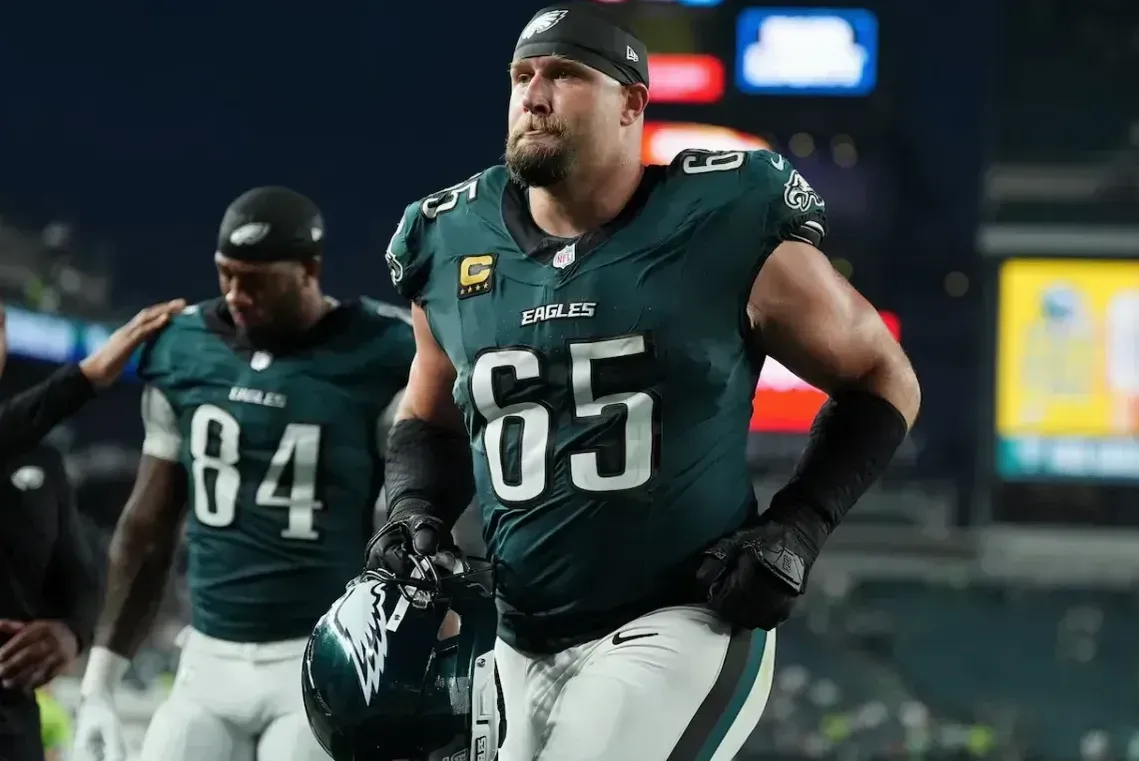
Lane Johnson spent fourteen seasons anchoring the Philadelphia Eagles offensive line, cementing his legacy as one of the greatest right tackles to ever play the game. However, his departure from the sport was not marked by a celebratory farewell tour, but by a sudden exit four games into the 2026 season. In a candid statement, Johnson explained that despite his desire to finish his final year with his teammates, his mental health and evolving family priorities required him to step away immediately. For a man who has spent over a decade putting his physical body on the line, the decision to prioritize his psychological well-being was presented as a necessary act of survival rather than a choice of convenience.
The reaction to this announcement highlighted a persistent and damaging divide in how we view athlete wellness. During an episode of First Take, ESPN’s Stephen A. Smith dismissed Johnson’s reasoning with laughter, suggesting that the retirement was less about mental health and more about escaping a losing situation within the organization. By framing Johnson’s struggle as a convenient excuse tied to the team’s win-loss record, Smith tapped into an old, toxic narrative that equates stepping away for mental health reasons with quitting on one’s comrades. This perspective ignores the reality that clinical anxiety and depression do not disappear simply because a team is winning or because it is mid-season.
This clash reveals a broader systemic issue within sports media where players are viewed as assets rather than humans. The industry frequently praises athletes for playing through broken bones or torn ligaments under the guise of toughness, yet views those seeking help for invisible wounds with skepticism. When an athlete’s value is measured solely by their availability on Sunday afternoons, any deviation from that expectation is seen as a betrayal of the locker room. This double standard creates an environment where countless other athletes may feel pressured to suffer in silence for fear of being labeled soft or opportunistic.
Ultimately, Lane Johnson’s bravery in speaking openly about his battles since 2021 serves as a vital reminder that professionals are people before they are performers. Whether it is an NFL star or someone working an office job, the feeling of impending doom associated with severe anxiety does not follow a seasonal calendar. As sports culture continues to evolve, these moments serve as benchmarks for progress. Until figures in high-profile media stop treating mental healthcare as punchline material, the stigma will continue to hinder athletes from making choices that save their lives regardless of what is happening on the scoreboard.