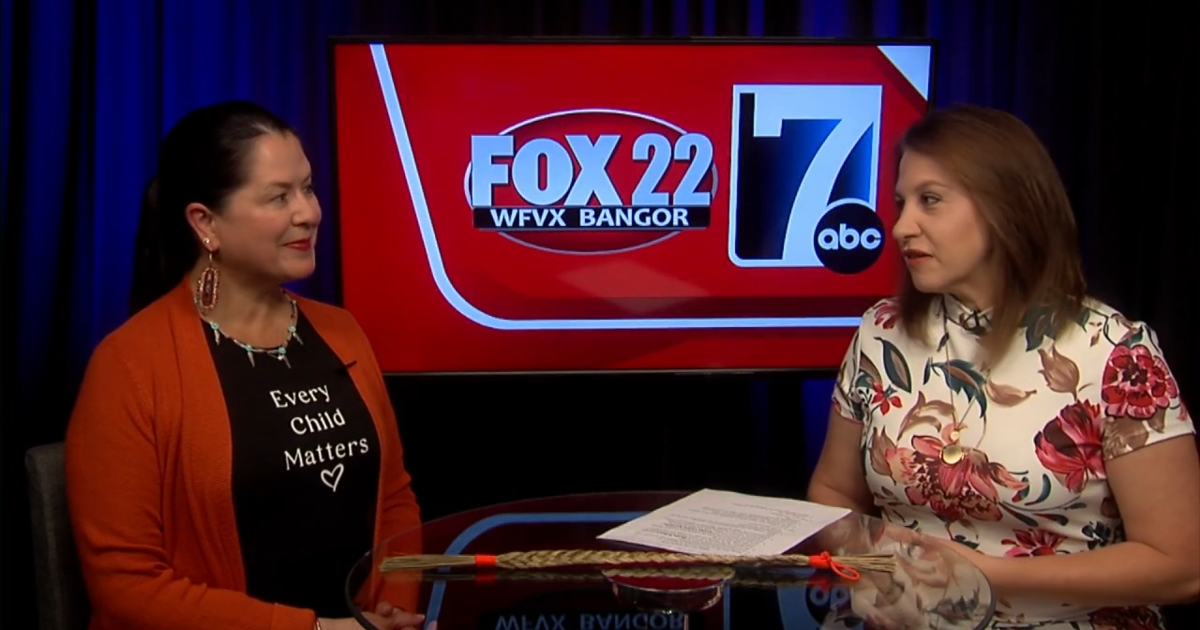
Lisa Sockabasin of Wabanaki Public Health and Wellness recently stopped by the studio to shine a light on Orange Shirt Day, an annual observance held every September 30th. The day serves as a solemn reminder of the indigenous children who were forced into residential and boarding school systems across North America. For many, it is a time to honor those who managed to survive these institutions and mourn those who were tragically lost.
During her visit, Sockabasin explained that these schools operated by removing children from their homes and communities against their will. This systematic separation tore apart family bonds and stripped children of their cultural identities. She noted that while some students eventually returned to their people, there were far too many who never made it home at all, leaving behind permanent voids in their families and tribes.
The conversation emphasized that the tragedy of the boarding school era is not merely a chapter in a history book but a living wound. Sockabasin highlighted how the resulting intergenerational trauma continues to echo through younger generations today, affecting mental health and community stability long after the schools closed. By acknowledging this painful past, she suggests we can better understand the current struggles faced by indigenous youth.
Ultimately, Orange Shirt Day acts as both a memorial and a call for awareness. Through initiatives like those led by Wabanaki Public Health and Wellness, advocates hope to ensure that the stories of these children are told truthfully. Acknowledging this dark period of American history is presented as an essential step toward healing and ensuring such systemic abuses are never repeated.