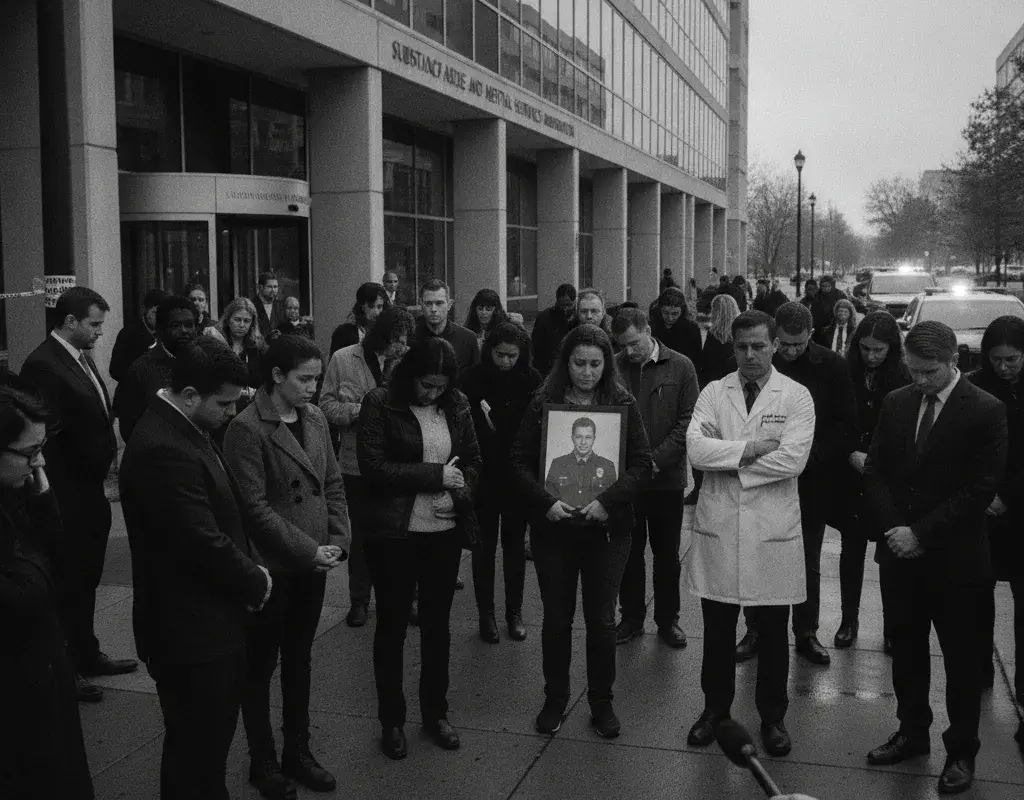
A tragedy has struck the very heart of the federal government’s mental health infrastructure following the death by suicide of a Public Health Service officer. The employee was found at the headquarters of the Substance Abuse and Mental Health Services Administration in Rockville, Maryland, after passing away sometime between Thursday evening and Friday morning. In a cruel irony, SAMHSA is the agency tasked with overseeing the 988 National Suicide and Crisis Lifeline, making the loss feel like a devastating blow to a workforce already struggling under immense pressure.
While officials at SAMHSA expressed deep sadness and offered condolences to the family, former colleagues suggest that this event is not happening in a vacuum. Jonathan White, a former HHS official and mental health clinician, noted that while there is rarely one single cause for such a tragedy, the news has acted as a catalyst for widespread anguish among federal employees. For many within the Department of Health and Human Services, this latest loss serves as a grim symbol of a deteriorating workplace culture characterized by instability and fear.
The atmosphere within HHS has been fraught with tension following several high profile traumas over the past few years. Employees are still reeling from a fatal shooting at CDC headquarters carried out by an anti vaccine gunman, as well as another suicide within the Medicare and Medicaid Services center. These events have created a compounding effect of trauma that critics argue has been ignored or mishandled by leadership. Some staff members recall being called back to offices shortly after violent incidents, leaving them to work in buildings where physical scars from gunshots remained unrepaired long after the attacks occurred.
Adding to this emotional burden is an environment of extreme professional volatility. SAMHSA suffered some of the deepest staffing cuts across all HHS components last year, losing more than half its workforce through aggressive layoffs and separations. Those remaining describe themselves as trapped in a system that offers little flexibility or support, noting recent departmental crackdowns on medical accommodations for disabilities including PTSD. To those inside these agencies, this latest tragedy is less about a single isolated incident and more about a systemic mental health crisis affecting those charged with protecting the nation’s wellbeing.