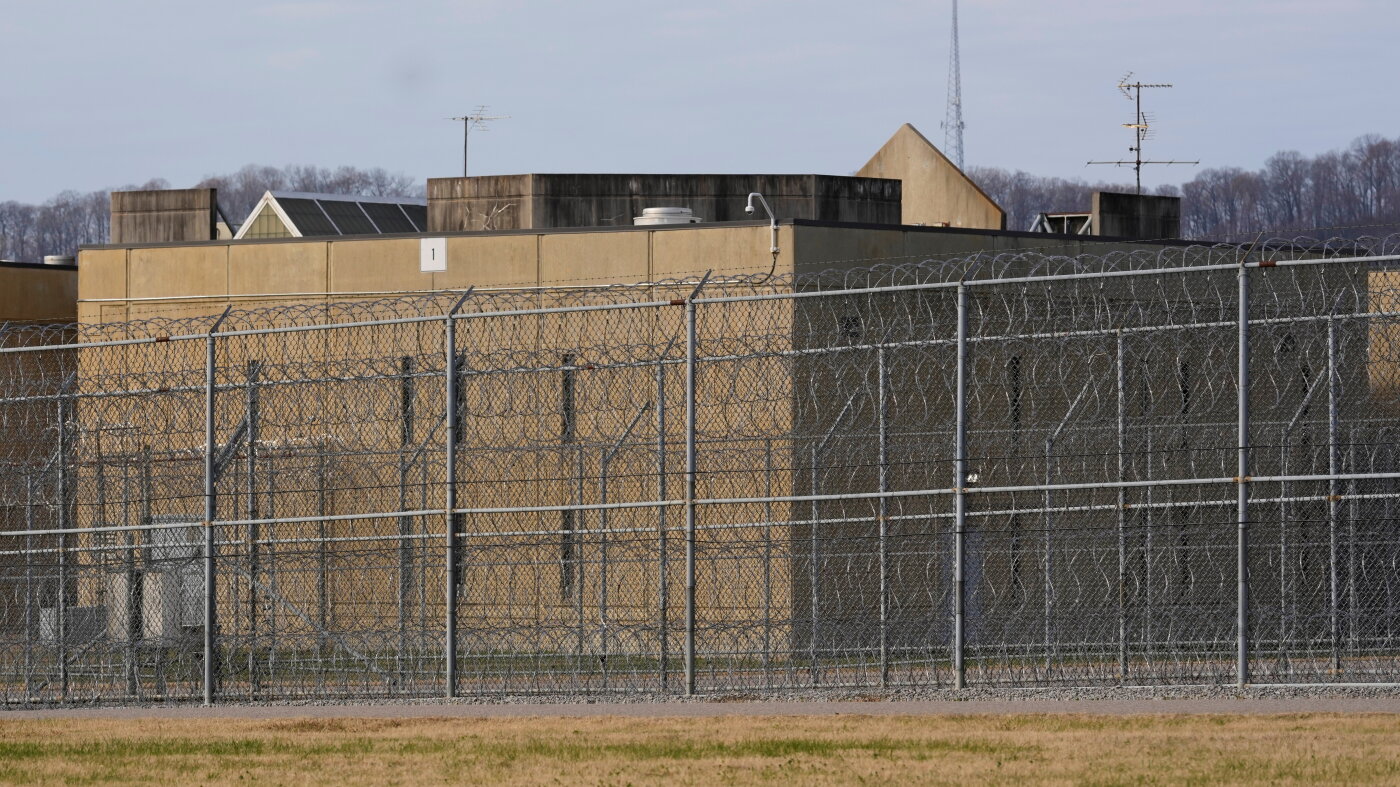
The execution chamber at Riverbend Maximum Security Institution fell into an uneasy silence last May after an hour of frantic needle sticks, failed central line attempts, and an inmate’s pained groans. Tony Carruthers, strapped to the gurney, endured punctures in his arms and feet before a prison contractor, Dr. Mark Fowler, tried to thread a catheter beneath his collarbone and through his shoulder — a quasi-surgical procedure Fowler later acknowledged he hadn’t performed in twelve years. Blood seeped from the puncture sites. Carruthers groaned. Finally, Governor Bill Lee phoned the warden and stopped the whole thing, granting a one-year reprieve. But the episode didn’t end there. It ignited a revolt among Tennessee’s medical community that has now spilled into the statehouse and the courts.
More than forty doctors and nurses have signed a letter demanding Lee pause executions and rewrite the protocol to remove health professionals entirely. Their argument is straightforward: the American Medical Association’s code of ethics bars physicians from participating in executions, and Tennessee’s current rules require pharmacists, doctors, and nurses to do exactly that. “The problems we have seen are the predictable result of working with such unscrupulous actors,” the letter reads. Dr. John Greer, a retired Nashville hematologist, put it more bluntly at a news conference: placing a central line isn’t just sticking a needle in an arm. It taps a major vessel above the heart. Done wrong, it collapses a lung or causes massive bleeding. Only clinicians who perform the procedure routinely should attempt it, he said, and no one who does it routinely would agree to take part in an execution.
The pushback has crossed party lines. Nine Republican state senators have joined the call for a moratorium, warning that “incompetent administration” of capital punishment hands ammunition to abolitionists. Lee, for his part, has resisted. The Department of Correction followed protocol, he said this summer, and that shouldn’t affect future executions. He called it one of the most difficult things the state does but insisted he’s committed to doing it “the way it should be.” Meanwhile, the state’s lethal injection protocol draws a curtain over the media viewing window until IV access is secured — meaning no independent witness saw what happened to Carruthers. A lawsuit challenging that secrecy, filed by the Reporters Committee for Freedom of the Press and news outlets including WPLN, is still pending.
Tennessee is one of twenty-seven states where the death penalty remains legal, and lethal injection is still the primary method nationwide. Since 2020, six states have botched lethal injections, according to the Death Penalty Information Center — most following the