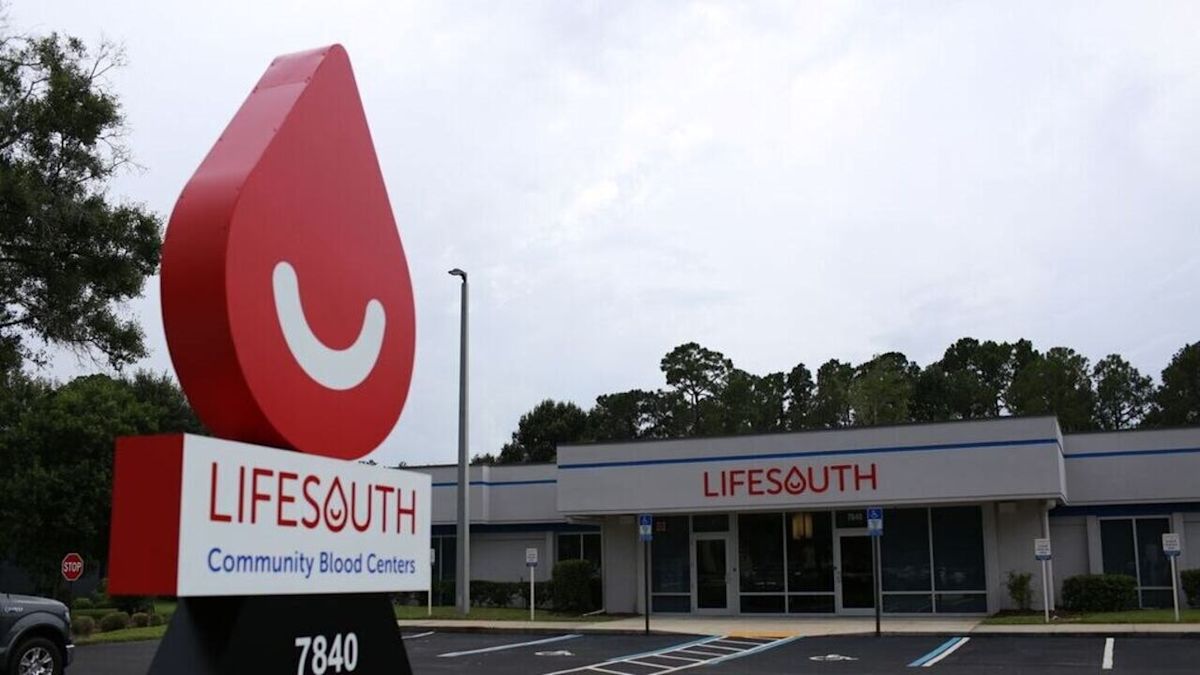
LifeSouth Community Blood Centers and the Richard Webster-Bass Health Institute have joined forces to launch a new community blood drive series across Northeast Florida. Starting this past Wednesday at the University of North Florida, the partnership aims to boost local blood supplies while raising critical awareness for sickle cell disease. This collaborative effort carries an extra incentive for donors, as LifeSouth will provide a financial donation to Project Little Veins for every single person who gives blood. These funds support the distribution of essential care packages and comfort items to patients enduring hospital stays and rigorous medical treatments.
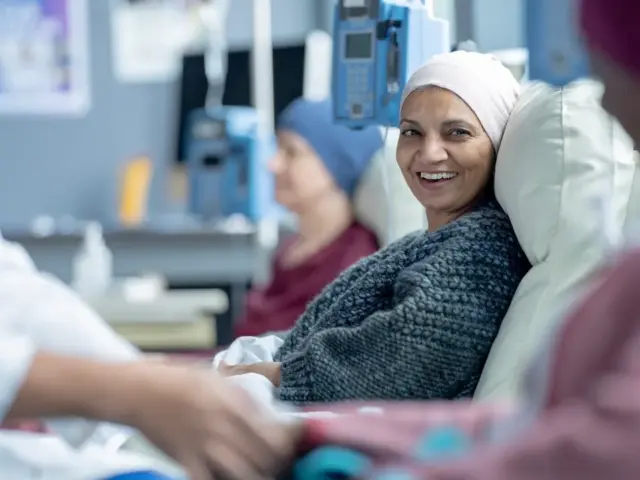
The initiative comes at a vital time, given that Florida faces one of the highest burdens of sickle cell disease in the country. With nearly fourteen thousand residents living with the condition, state data shows it disproportionately impacts young Black Floridians. Because sickle cell disease transforms red blood cells into rigid shapes that block oxygen flow, many patients suffer from severe pain crises and organ damage, making regular blood transfusions a literal lifeline. Tim Harvey, district director for LifeSouth, noted that because their center keeps donations within the regional community, every pint collected has a direct and measurable effect on neighbors in need.
For Fredrianna Copeland-Webster, founder of Project Little Veins, the mission is personal. Having faced her own grueling battles with complications and repeated transfusions, she is calling on all eligible citizens—particularly those in the Black community—to step forward as donors or host drives at their businesses and churches. She emphasizes that maintaining a stable blood supply is the only way to ensure these life saving procedures remain available when emergencies strike.
While all blood types are urgently needed for the series, LifeSouth is also utilizing its Sickle Cell Hero program to find specific genetic matches for patients. By identifying these specialized donors and encouraging them to give regularly, organizers hope to significantly reduce transfusion complications over time. Members of the general public are encouraged to participate in upcoming dates throughout the region to support both the immediate blood shortage and long term patient health.