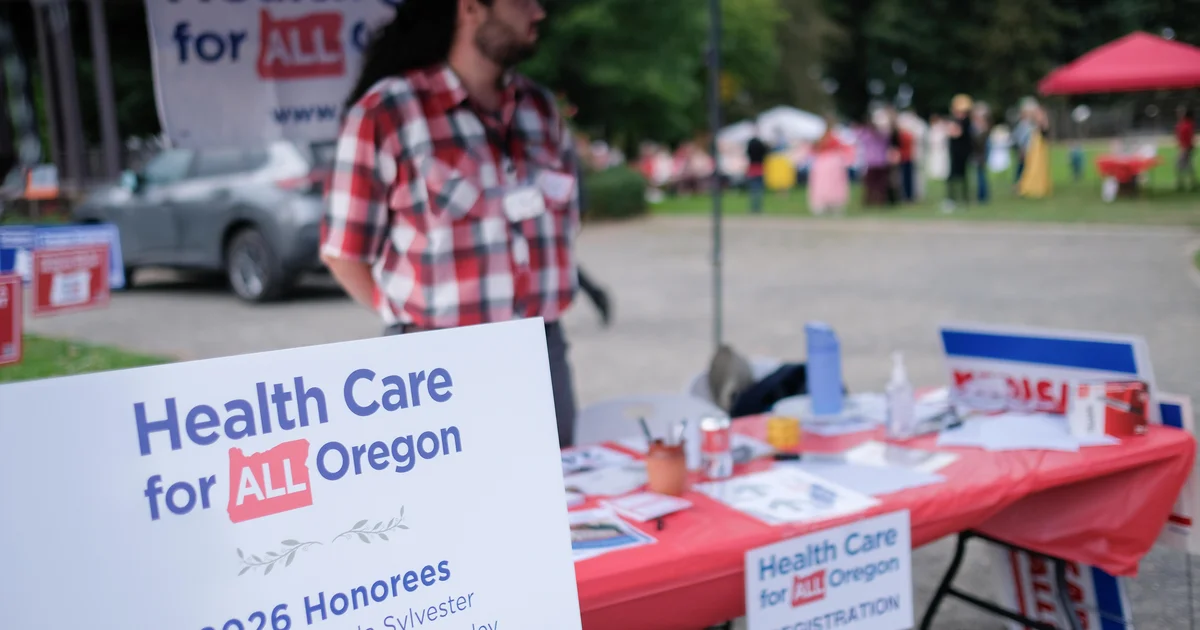
Oregon is positioning itself to become the first state in the union to implement a true single payer healthcare system, a move that could fundamentally rewrite how Americans access medical care. A specialized governance board tasked by the state legislature is preparing to deliver a comprehensive proposal this December, aiming for a full rollout by 2032. If successful, the plan would provide every resident with medical, dental, vision, and mental health coverage from birth until death, completely eliminating premiums, deductibles, and copayments at the point of service.
The strategy relies on redirecting existing healthcare spending rather than simply adding new costs. By replacing private insurance premiums and out of pocket expenses with targeted corporate and personal taxes, the state hopes to create a massive single fund to pay providers. For some middle class earners, this could mean a significant drop in annual costs compared to current Affordable Care Act plans. However, proponents acknowledge that more affluent residents may see their costs rise, shifting the burden toward those most able to afford it while ensuring that roughly one third to over half of Oregonians pay nothing at all for their benefits.
Supporters view Oregon as a necessary laboratory for policy innovation at a time when federal action on universal healthcare seems unlikely. They argue that streamlining billing processes and Negotiating drug prices will save billions and stabilize struggling rural hospitals currently burdened by unpaid bills. This approach mirrors historical shifts where regional experiments eventually scaled upward; for instance, Massachusetts provided the blueprint for the Affordable Care Act, and Canada’s national system began in a single province.
Despite the optimism, the road ahead is fraught with political and financial hurdles. Opponents include powerful healthcare conglomerates and insurance giants who possess the resources to sway public opinion against such radical change. Past attempts at similar reforms in Vermont and various statewide ballot initiatives in Colorado and California have collapsed under the weight of economic concerns or voter skepticism. While progressives see an opportunity to eliminate medical bankruptcy, critics warn that adding new taxes during uncertain economic times could turn a hopeful aspiration into a political liability.