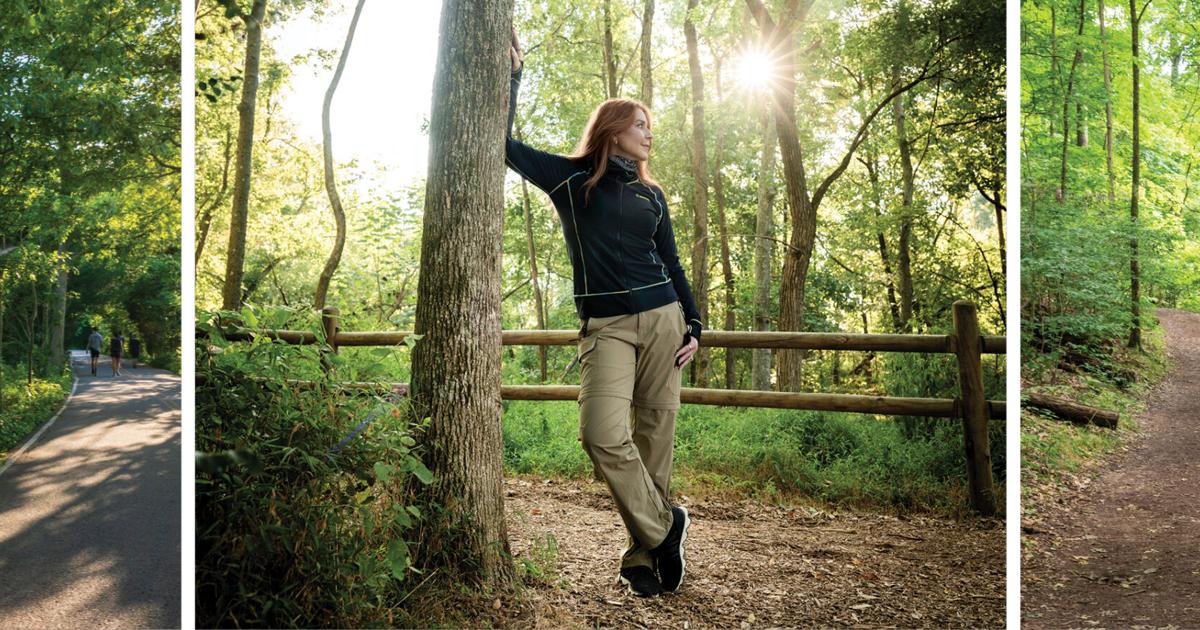
There is a specific kind of magic that takes hold of the early morning hours on a wooded trail. At Radnor Lake State Natural Area, this manifests as a symphony of birdsong and the sight of graceful deer weaving through the trees while sunlight filters softly through the forest canopy. For many Nashvillians, these seven and a half miles of winding paths serve as a vital sanctuary, offering a rare chance to escape the frantic rhythm of downtown life just a few miles away. While the park is officially dedicated to preserving its delicate ecosystem and providing a refuge for wildlife, park manager Steve Ward notes that it has inadvertently become a refuge for people as well.
Many visitors come seeking nothing more than a safe, quiet place to stretch their legs, but science suggests they are gaining far more than simple exercise. Recent research indicates that walking in nature provides unique psychological rewards that urban environments cannot replicate. A Stanford University study revealed that individuals who spent ninety minutes walking through natural settings experienced a significant decrease in rumination, which is the habit of dwelling on negative thoughts. Brain scans actually showed changes in the areas associated with this type of thinking, whereas those who walked along busy city roads saw no such improvement.
Beyond the mental clarity provided by the greenery, regular hiking offers traditional physical advantages like improved cardiovascular health and better joint mobility. When shared with friends or family, these outings add a layer of social connection that can further lower blood pressure and boost overall mood. Interestingly, experts say you do not need to be an athlete or hit a specific step count to reap these rewards. Even the Japanese practice of Shinrin-yoku, or forest bathing, emphasizes that simply spending intentional time among trees without any mileage goal can reduce stress and lower heart rates.
Ultimately, the draw of places like Radnor Lake often comes down to the simple fact that being outdoors feels good. Whether it is catching a glimpse of a bald eagle or watching the colors shift at sunset, these moments force people to slow down and exist in the present. As Ward observes, there is immense value in pure tranquility. With no finish line to cross and no pace to maintain, sometimes the best medicine for both body and mind is merely stepping off the pavement and paying attention to the world around you.