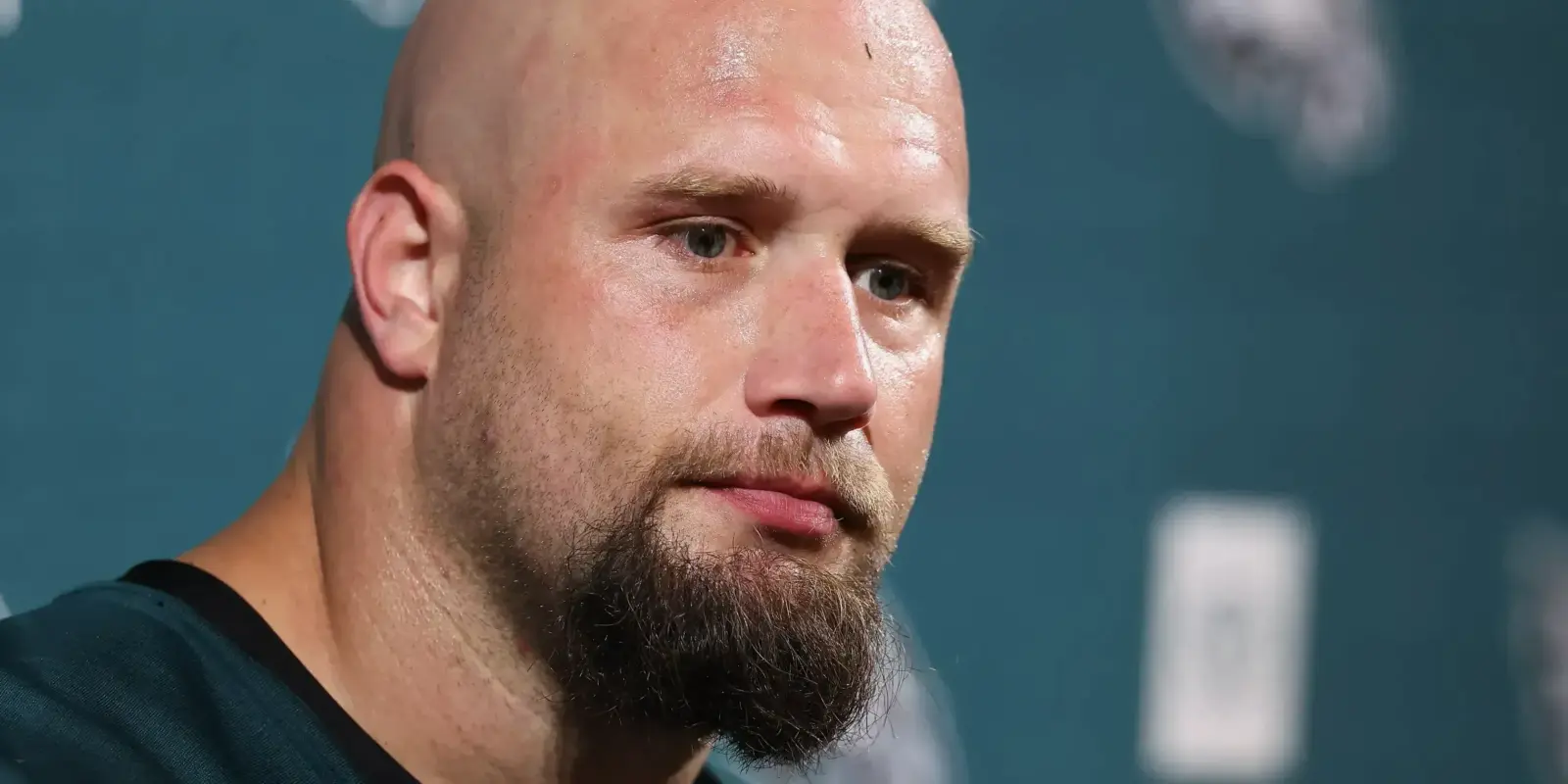
Lane Johnson leaves behind a resume defined by championship rings, Pro Bowl selections, and a reputation for shutting down the most feared pass rushers in the NFL. But as he steps away from the game on October 6, 2026, his legacy extends far beyond the statistics and accolades found in a record book. For years, Johnson used his platform to dismantle the stigma surrounding mental health in professional sports, speaking candidly about his struggles with anxiety and depression in a culture that historically viewed such vulnerabilities as weaknesses.
In a poignant retirement statement, Johnson revealed that while part of him wanted to push through one last season, his priorities had shifted toward his own well-being and his relationship with his children. By choosing family and mental wellness over another year on the field, he provided a powerful counter narrative to the traditional athlete’s ethos of playing through any pain at all costs. He admitted that he could no longer provide the total emotional investment his teammates deserved, turning what some might see as a surrender into an act of integrity.
Throughout his tenure with the Philadelphia Eagles, Johnson proved that elite performance and internal struggle can coexist. Being named the team’s 2023 Walter Payton NFL Man of the Year nominee highlighted a commitment to service that matched his intensity on the line, particularly through initiatives like Philly Special Christmas which raised millions for local charities. He showed fans and fellow players alike that achieving peak success does not grant immunity to personal hardship.
Ultimately, Johnson will be remembered as one of the greatest offensive tackles in franchise history, but his true victory may be cultural. By normalizing the conversation around psychological health and advocating for professional help, he transformed himself from a protector of quarterbacks into a protector of people. In leaving the game on his own terms, he leaves behind a blueprint for future generations showing that asking for help is perhaps the strongest move an athlete can make.