A growing movement treating nutrition as a primary medical intervention is taking root on Hawaii Island, where a new collaboration is attempting to prove that the right diet can be as effective as traditional medicine. Through a partnership between the Food Basket and the Hawaii Island Community Health Center, organizers are bridging the divide between agricultural production and clinical care by delivering fresh, locally grown produce directly to patients struggling with chronic illnesses.
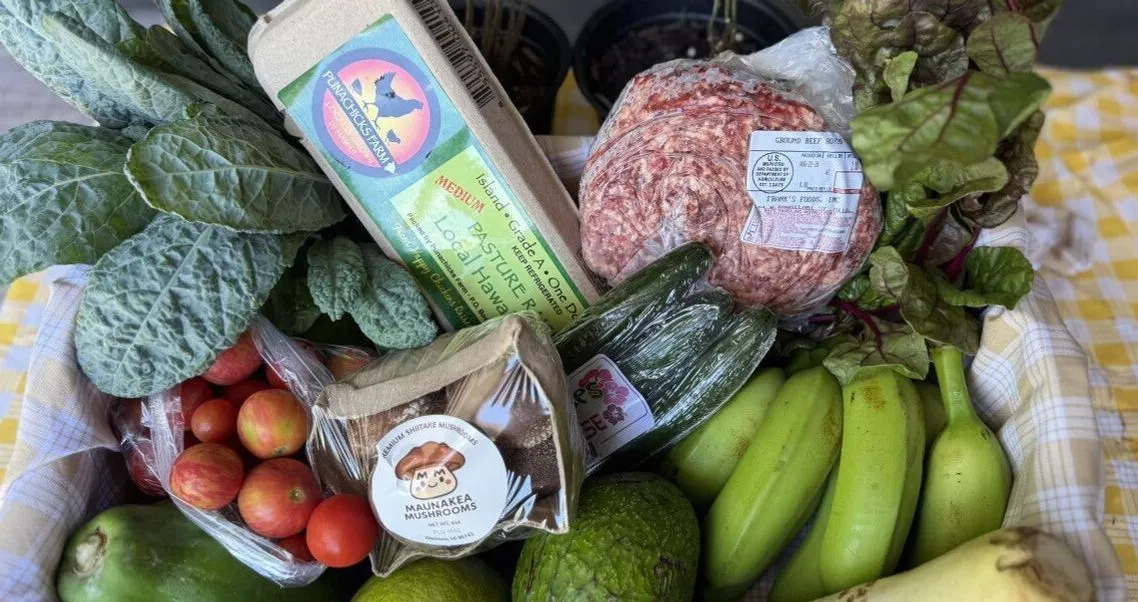
The initiative focused on twenty five residents living with diabetes or hypertension who also faced significant food insecurity. For twenty weeks, these participants received weekly food boxes sourced entirely from fifty different farms across the island. By tracking vital signs such as blood pressure and glucose levels throughout the trial, health officials hoped to quantify exactly how reliable access to nutrient dense food impacts long term recovery and disease management.
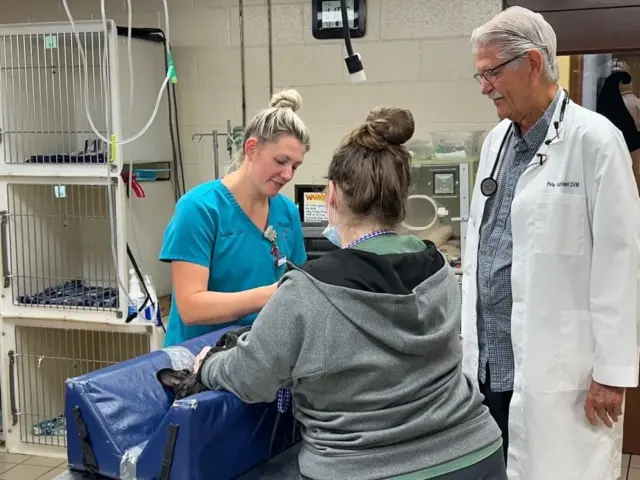
Stacy Haumea, a registered dietitian nutritionist at the community health center, believes integrating dietary support into the formal healthcare system is a game changer for patient outcomes. While official data from the first group is still being finalized, program managers describe the preliminary results as fantastic, noting that the benefits often spilled over to the patients families who shared in the abundance of fresh fruit, vegetables, and proteins.
The timing of this pilot coincides with an extension of the 1115 Waiver under Hawaii QUEST Integration through 2029, which may allow the state to cover costs for health related social needs like nutrition support. Program leaders say this window allows them to build necessary infrastructure and identify whether patients need additional tools, such as cooking classes or kitchen equipment, to make the most of their healthy groceries.
Beyond the clinic walls, the program provides a critical economic lifeline to local growers by ensuring their harvests reach people in need within their own community. With a successful first round completed, the effort is now expanding into its second phase, focusing on twenty more patients in the Kau District, an area traditionally designated as a food desert where access to fresh produce remains a constant struggle.