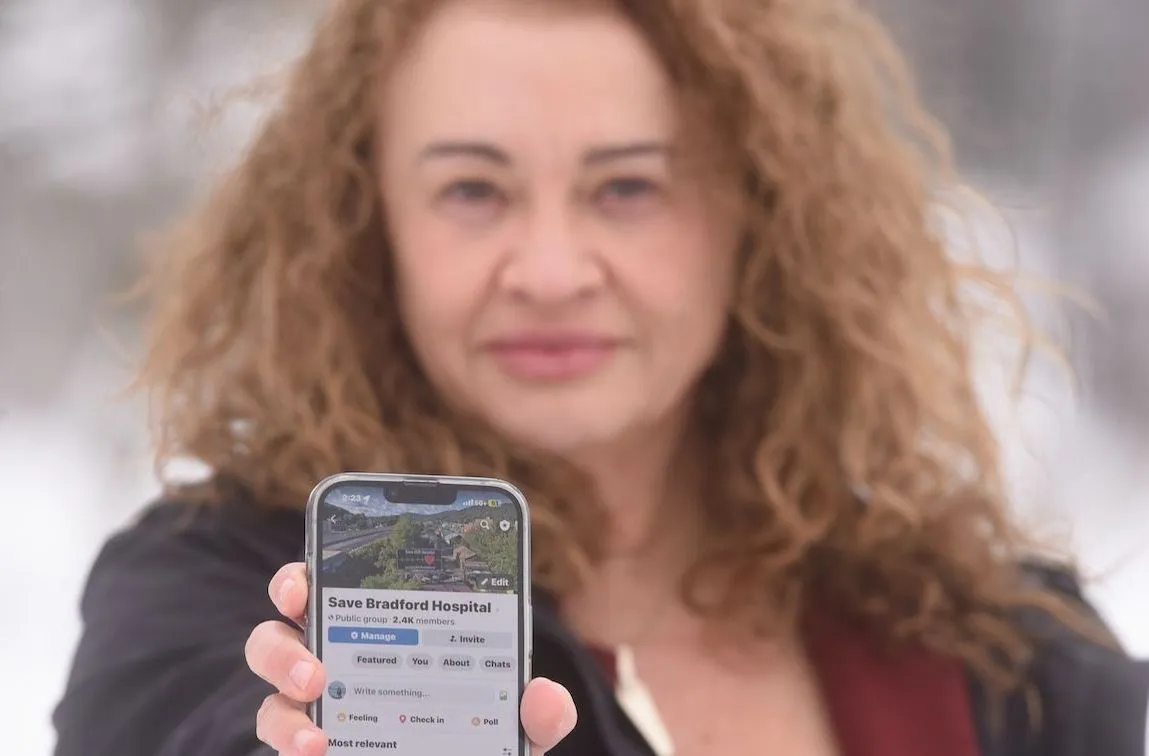
As heavy November snow blankets the mountains of northwestern Pennsylvania, Anne Hardy watches from her window with a sense of dread. For the retired emergency room nurse living in Bradford, a winter storm is more than just a seasonal inconvenience; it is a barrier between her community and life saving medical care. When the roads are slick and flight crews cannot launch helicopters, the distance to the nearest high level trauma center becomes an agonizing journey of over eighty miles. At sixty two, Hardy worries that a sudden heart attack or crisis for her husband could turn into a tragedy simply because of geography and weather.
The anxiety gripping Hardy and her neighbors reached a breaking point with the announcement that the Bradford Regional Medical Center would cease operations as an inpatient and emergency care facility. After serving the region for nearly one hundred and forty years, the institution succumbed to mounting financial losses that proved insurmountable despite various state interventions. The decline began in earnest during the pandemic, which strained budgets and forced the closure of critical services including the maternity ward and intensive care unit long before the final doors shut.
Hardy spent twenty years working within those walls, once running the emergency department herself, but she admits she is at a loss as to how a rural population can possibly sustain itself without local healthcare. Her struggle reflects a broader crisis sweeping across rural America where declining populations and difficulty recruiting physicians create a vicious cycle of decay. Many residents feel abandoned by policymakers in distant capitals, describing their homes as forgotten lands where essential workers like farmers and foresters are left without a safety net.
Even experimental efforts to modernize payment models have failed to save Bradford’s lifeline. While initiatives like the Pennsylvania Rural Health Model attempted to shift funding toward preventative care to keep patients out of hospital beds, those systemic changes arrived too late for this specific community. Now, lifelong residents face an impossible choice between staying in their ancestral homes or moving away to ensure they have access to basic medical security should their health fail.