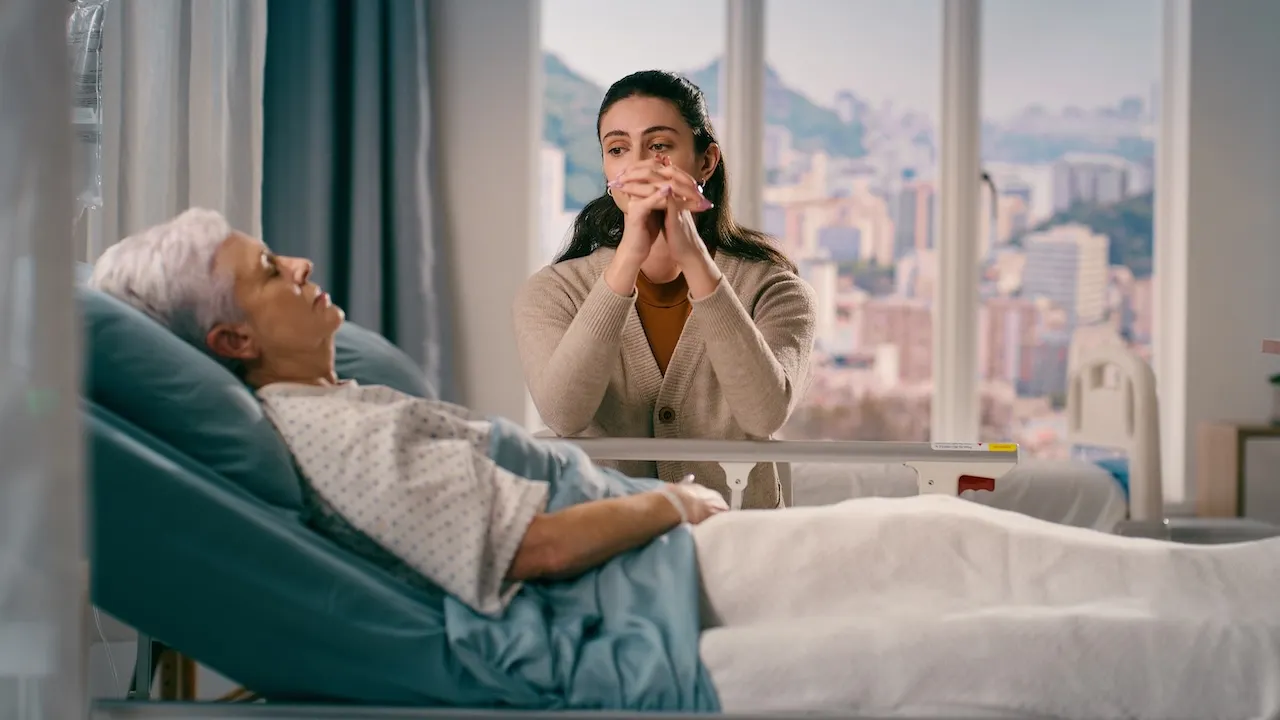
For years, the sterile environment of the intensive care unit has been seen as a place where cold hard science reigns supreme. However, Dr. Marc Siegel, a veteran physician and senior medical analyst, believes that the boundary between clinical treatment and spiritual intervention is far thinner than most would admit. In his new book, The Angels Among Us, Siegel argues that medicine and faith are not opposing forces but rather complementary tools that often converge to create unexplained recoveries when all hope seems lost.
Drawing from decades of clinical experience, Siegel suggests that many healthcare providers secretly acknowledge these mysteries. He points to data showing that seventy percent of physicians believe in God and over half have personally witnessed what they consider to be medical miracles during their practice. For Siegel, these moments serve as a reminder that the role of a doctor is not to determine who survives, but to alleviate suffering and provide the best possible care while remaining open to possibilities beyond the purely physical.
Throughout his writing, Siegel expands the concept of angels to include not only divine entities but also the nurses, doctors, and strangers whose timely presence provides critical support during a crisis. He shares stories ranging from an ICU patient who woke up from a three month coma despite a grim prognosis to U.S. Army Staff Sgt. Spencer Milo, whose journey toward healing involved unexpected encounters with faith leaders and high profile supporters. Even within his own family history, Siegel notes his father’s remarkable survival into his late nineties following severe complications from COVID nineteen as evidence of resilience fueled by more than just medication.
Ultimately, Siegel clarifies that while prayer and spirituality should never replace traditional medical care or act as a guaranteed cure, they play a vital role in patient outcomes by fostering psychological endurance. He views spirituality as a prerequisite for the courage required to fight through devastating illness. By embracing both the precision of modern science and the power of hope, he believes doctors can offer more holistic healing to those facing their darkest hours.